Top 8 Tips for Securing Festival Permits in Ireland - Ballinderry Park

Rowan Stainsby
Key Takeaways
- Festival permits in Ireland typically require application 60-90 days before your event
- Larger events (5,000+ attendees) need special event licensing
- Detailed event management plans are mandatory for all festival applications
- Land owner consent is required as there is no automatic right of access
- Risk assessments and insurance coverage are non-negotiable requirements
- Environmental impact considerations are increasingly important
- Multiple agency consultations (police, fire, health) are necessary
- Community engagement can significantly smooth the permit process
Introduction: Understanding Festival Permits in Ireland
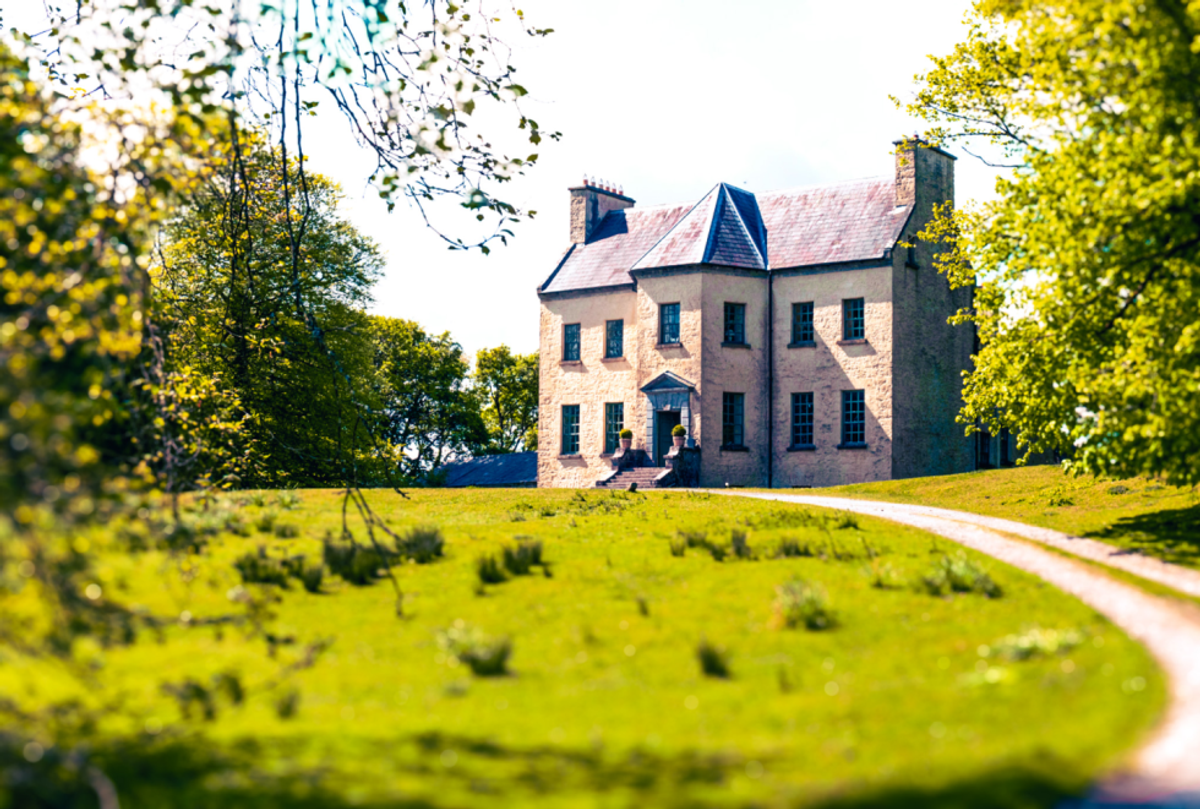
Community festival gathering at Ballinderry Park
Organising a festival in Ireland requires careful planning and following rules. Whether you’re planning a small community gathering or a large event, getting the right permits is a must-do first step. At , we know planning festivals can be tricky and have helped many event organisers get their permits.
The Irish festival world has many rules that keep people safe, protect the environment, and help communities stay happy. This guide will help you understand how to apply for permits for your next Irish festival.
It’s worth knowing that there isn’t just one “festival permit” in Ireland. Based on what kind of event you’re planning, how big it is, and where it will be, you might need several different permissions from different offices. You need to plan ahead, since most permit applications must be sent in weeks or even months before your event date.
can make local areas come alive with culture, music, and togetherness, but they need proper permission to make sure they’re safe and follow Irish rules.
1. Start Early: Timeline for Festival Permit Applications
One big mistake festival organisers make is not giving themselves enough time for permit applications. In Ireland, how early you need to apply depends on how big and what type of event you’re planning:
- Small community festivals (under 1,000 attendees): Apply at least 60 days before the event date.
- Medium-sized events (1,000-5,000 attendees): Begin the application process 90 days in advance.
- Large festivals (over 5,000 attendees): Start the permit process at least 13 weeks before your planned date.
If you’ll have alcohol sales, food vendors, or special activities, you’ll need extra permits, each with their own timelines. early can help you figure out all the permits you need and make a realistic timeline.
Meeting with local authorities before applying is really helpful and sometimes required for bigger events. These meetings let you talk about your plans with officials and find potential problems before you submit your formal applications.
Keep in mind that processing times can change based on the time of year and how busy the authorities are. During festival season (May-September), more people apply for permits, which might mean longer wait times for you.
2. Identify All Required Permits and Licenses
Festival organisers in Ireland have to deal with many different permits and licenses. Depending on what your event includes, you might need several of these:
Core Permits and Licenses
Casual Trading License: You need this for any vendors selling goods or services at your festival. Occasional Food Premises License: This is necessary for anyone selling food at your event. Occasional Liquor License: You’ll need this if alcohol will be sold. Event License: Required for events with more than 5,000 people. Temporary Road Closure Permit: Needed if your festival will affect roads or traffic. Temporary Structure Permits: Required for stages, tents, and other temporary structures.
Which permits you need depends on your event’s location, size, and activities. Contacting local council offices early in your planning is important to identify all the permissions you’ll need.
Some permits must be gotten in a specific order rather than all at once. For example, you might need landowner permission before you can apply for an event license, and an event license before applying for a liquor license. Understanding this order will help you plan your application timeline.
can be really helpful in figuring out the permit situation, especially if this is your first festival.
3. Prepare a Comprehensive Event Management Plan

Event management planning at Ballinderry Park
A detailed Event Management Plan (EMP) is a super important document for festival permit applications in Ireland. This plan shows authorities that you’ve thought about all aspects of event safety and logistics. A good EMP really increases your chances of getting your permits approved.
Essential Components of an Event Management Plan
- Event Overview: Description, attendance figures, schedule, site layout
- Organisational Structure: Chain of command, key personnel, staffing plans
- Risk Assessment: Hazard identification, risk evaluation, mitigation strategies
- Emergency Procedures: Medical provisions, evacuation plans, communication protocols
- Site Management: Site maps, access points, facilities, accessibility provisions
Your EMP should be made specifically for your event and location. Using generic templates might miss important elements that matter for your specific festival. requires thinking about local factors and potential challenges.
For bigger festivals, it’s a good idea to hire professional event safety consultants to help develop your EMP. They can spot potential issues you might miss and suggest ways to handle them.
Remember that your EMP is a document that might need changes based on feedback from authorities or changing circumstances. Being willing to make improvements shows you’re committed to running a safe, well-organised event.
4. Secure Adequate Insurance Coverage
Insurance isn’t just required for permit applications—it protects your festival, attendees, and organisation. Irish authorities won’t issue permits without proof of appropriate insurance coverage.
Public Liability Insurance is a must, with minimum coverage typically €6.5 million. This protects against claims for injuries or property damage and must specifically cover your festival dates and activities. It should name the venue owner and local authority as additional insured parties.
If you have staff or volunteers, you need Employer’s Liability Insurance with minimum coverage typically €13 million. This covers injuries or illnesses to workers during the event.
Event Cancellation Insurance covers financial losses if you have to cancel the festival. This is especially important for outdoor festivals in Ireland because of the unpredictable weather.
Product Liability Insurance is required if food or drinks will be served, covering claims related to food-borne illness or product problems.
When looking for insurance, work with brokers who specialise in event coverage. They understand what’s required for festivals in Ireland and can help make sure your policy meets all permit conditions. can help identify the right insurance for your specific festival.
5. Engage with Local Communities and Stakeholders
Community engagement for festival planning
Community engagement isn’t just a formality—it’s really important for getting permits approved. Irish authorities often consider what local people think when evaluating festival applications, and if the community opposes your event, it could delay or even prevent your permits from being issued.
Early community consultation is essential. Hold public information sessions, create ways for residents to communicate with you, address concerns openly, and include community feedback in your plans.
Involve local businesses by partnering with nearby shops and restaurants, creating opportunities for local vendors, developing win-win arrangements, and explaining the economic benefits to the local area.
For festivals in residential areas, noise management is usually a big concern. Your permit application should include detailed plans for monitoring and controlling sound levels, including when amplified music must stop. early in your planning can help identify and address potential concerns.
Letters of support from community organisations, local businesses, and residents can really strengthen your permit application. Don’t be shy about asking stakeholders to formally express their support if they’re excited about your festival.
6. Develop Comprehensive Safety and Security Plans
Safety and security considerations are super important in festival permit applications. Irish authorities require detailed plans showing how you’ll protect attendees, staff, and the public throughout your event.
Crowd management plans should include capacity calculations based on venue size, queue management strategies, entry and exit procedures, and ways to monitor crowd density.
Security personnel requirements typically follow a ratio of 1:100 for general events, with more staff in high-risk areas. Your plan should detail training requirements, qualifications, deployment plans, and communication protocols.
Medical and first aid provisions must include station locations and staffing, ambulance access routes, medical personnel qualifications, and treatment protocols for common incidents.
For larger festivals, you may need to hire licensed security firms with experience in event management. All security personnel should be properly licensed under the Private Security Authority regulations. Talking with security experts can help develop appropriate plans for your specific event.
7. Address Environmental Impact and Waste Management
Environmental considerations have become more and more important in the festival permit process in Ireland. Authorities expect organisers to show they’re committed to minimising ecological impact and implementing effective waste management strategies.
Your Waste Management Plan should detail strategies for waste collection and disposal, recycling and composting provisions, litter prevention measures, and post-event cleanup procedures.
For festivals in or near environmentally sensitive areas, you may need to commission professional ecological surveys or impact assessments. These should be conducted well before your permit application to allow time for any necessary adjustments to your plans.
Irish local authorities are increasingly prioritising the “Leave No Trace” principle for festivals. Your application should clearly demonstrate how your event will follow this standard, with specific plans for returning the venue to its original condition after the festival ends.
Consider partnering with environmental organisations or waste management companies that specialise in event sustainability. Their expertise can strengthen your application and help implement effective green practices. should include thorough consideration of environmental impact.
8. Navigate Alcohol and Food Licensing Requirements
If your festival will include food vendors or alcohol sales, you’ll need to deal with additional licensing requirements. These aspects are strictly regulated in Ireland and require careful planning and documentation.
An Occasional Liquor License is applied for through the District Court and requires an existing license holder as a sponsor. Applications must be submitted at least 21 days before the event, and Gardaí (police) must be notified of the application.
Your Alcohol Management Plan should include age verification procedures, server training requirements, designated drinking areas, and measures to prevent excessive consumption.
Security considerations for alcohol service include additional security personnel for alcohol areas, monitoring and enforcement protocols, and coordination with local Gardaí.
Each food vendor typically needs individual registration with Temporary Food Stall Permits. Health Service Executive (HSE) notification is required, food safety management systems must be documented, and inspection may be conducted before or during the event.
The process for obtaining an Occasional Liquor License involves court appearances and specific timelines. Begin this process early and consider getting legal help if you’re not familiar with the requirements. familiar with Irish licensing laws can be really valuable.
Conclusion: Bringing Your Festival to Life
Getting festival permits in Ireland might seem hard, but with good planning, organisation, and attention to detail, you can do it successfully. The key is to start early, understand all requirements, prepare thorough documentation, and work well with authorities and communities.
Remember that the permit process exists to ensure everyone at your festival stays safe. By accepting these requirements rather than seeing them as obstacles, you’ll not only increase your chances of approval but also create a better, safer event for your attendees.
Each successful permit application builds your reputation with authorities, making future applications easier. Document your process, maintain good relationships with officials, and learn from each experience to keep improving how you plan festivals.
At , we’re committed to supporting festival organisers throughout Ireland. Whether you’re planning your first community celebration or your tenth major festival, our team is here to help you navigate the permit process and create memorable, successful events.
For more information or personal assistance with your festival permits, today.
About the Author

Rowan Stainsby
Rowan is a marketing professional and founder of Kraft Digital Agency. In 2024, he and his wife Laoise purchased Ballinderry Park, a stunning Georgian house dating back to c.1740 in County Galway. Together, they are passionately restoring this historic property and documenting the journey on their YouTube channel 'Call of the Curlew'. With a vision to create a space where busy people can unwind, Rowan oversees the transformation of Ballinderry Park into a luxury destination for stays, weddings, and events while honoring its remarkable 700-year heritage.