12 Best Budget-Friendly Community Event Ideas for Everyone - Ballinderry Park

Rowan Stainsby
Key Takeaways
- Community events can be memorable without breaking the bank
- Local parks and public spaces provide free or low-cost venues
- Volunteer participation reduces staffing expenses
- Potluck-style gatherings minimise catering costs
- Local businesses often provide sponsorships for community initiatives
- DIY decorations add personal touches while saving money
Why Community Events Matter
Community events bring people together in ways that nothing else can. They create spaces where neighbours become friends, where traditions are celebrated, and where lasting memories are formed. At , we’ve seen how these gatherings strengthen community bonds and create a sense of belonging – all without requiring huge budgets.
The best community events aren’t about flashy decorations or expensive entertainment. They’re about creating meaningful connections between people who might otherwise never meet. With some creativity and careful planning, you can organise community celebrations that everyone will remember without emptying your bank account.
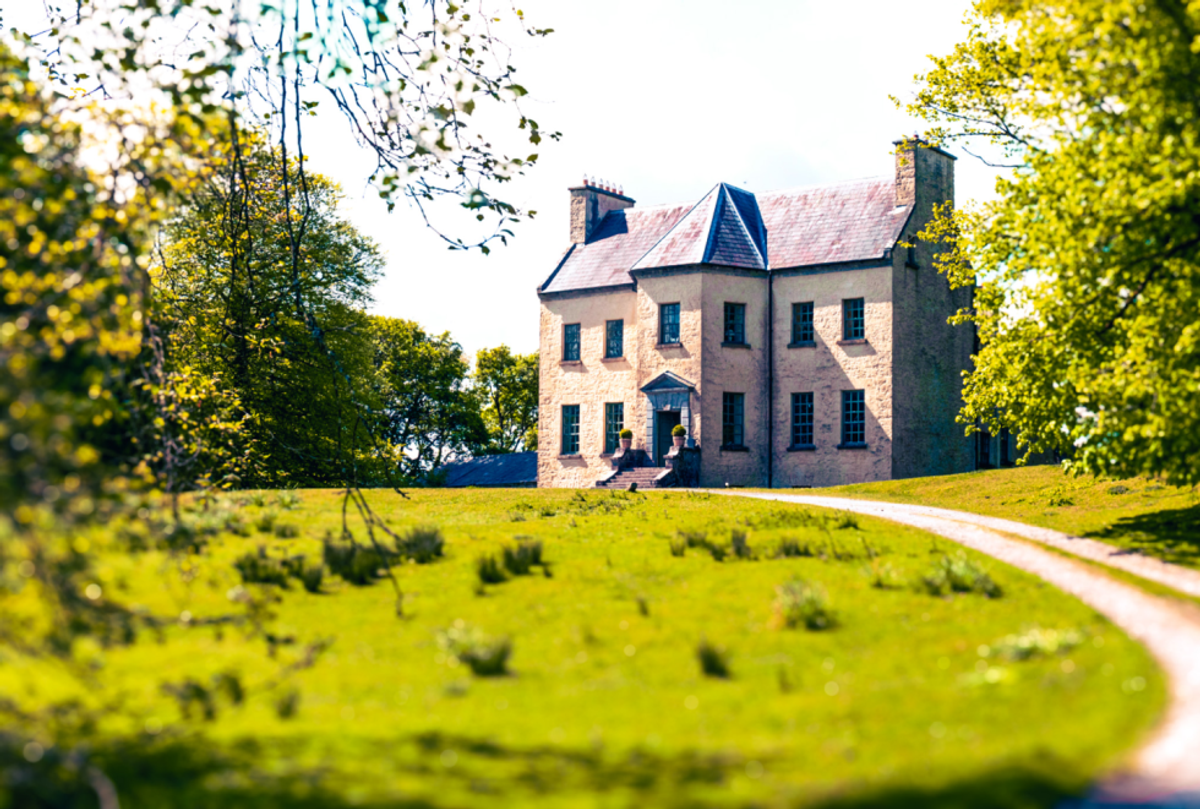
Community festival celebration at Ballinderry Park
Let’s explore twelve budget-friendly community event ideas that will bring your neighbourhood together without breaking the bank. These ideas have been tested in communities across Ireland and have proven successful even with limited resources.
1. Community Potluck Dinners
Potluck dinners are perhaps the most budget-friendly way to bring people together around food. When everyone contributes a dish, the cost is spread across all participants, and you’ll end up with an amazing variety of foods that reflect your community’s diversity. have shown that shared meals create natural conversation starters as people discuss recipes and food traditions.
To organise a successful potluck, create a simple sign-up system to ensure you don’t end up with fifteen desserts and no main courses. You can use free online tools like Google Forms or even a paper sign-up sheet at a community center. Consider adding a theme to make it more interesting – perhaps foods from different cultures, family recipes passed down through generations, or seasonal ingredients.
2. Outdoor Movie Nights
Transform a local park or community space into an outdoor cinema for a fraction of what it would cost to rent a venue. All you need is a projector (which can often be borrowed from a school or community center), a white sheet or portable screen, and a sound system. has hosted several successful movie nights using simple equipment and volunteer help.
To keep costs down, ask attendees to bring their own chairs, blankets, and snacks. If you want to raise a little money for future community events, set up a simple concession stand selling popcorn and drinks. For the movie selection, choose family-friendly classics that appeal to different age groups. You can even hold a community vote beforehand to select the film, which helps build excitement and ensures people will attend.

Themed event decoration ideas
3. Community Clean-Up Days
Turn community service into a celebration by organising neighbourhood clean-up days. These events require minimal financial investment but yield significant benefits – cleaner public spaces, stronger community pride, and new connections between neighbours. Community initiatives have shown that when people work together on improving their shared environment, lasting bonds form naturally.
Start by identifying areas that need attention – perhaps a local park, a stretch of roadway, or a community garden. Contact local hardware stores or garden centers about donating supplies like gloves, trash bags, and basic tools. Many businesses are happy to contribute to community improvement efforts, especially when they’ll receive positive recognition. End the day with a simple picnic or refreshments to celebrate what you’ve accomplished together.
Planning & Permission
Identify areas for improvement and secure necessary permissions from local authorities
Resource Gathering
Source donated supplies from local businesses and organise volunteer teams
Celebration & Recognition
Conclude with a community picnic and recognise volunteer contributions
4. Skill-Share Workshops
Every community is filled with people who have valuable skills and knowledge to share. Organising skill-share workshops taps into this existing resource without requiring paid instructors or expensive materials. , we’ve hosted workshops on everything from gardening and basic home repairs to traditional cooking techniques and digital literacy.
To organise a successful skill-share event, start by surveying your community to find out what skills people have and what they’d like to learn. Secure a free or low-cost venue like a community center, library, or school classroom. Structure the event as a series of short workshops held simultaneously or in sequence, allowing participants to attend multiple sessions. Ask instructors to identify simple, low-cost materials that participants can bring from home.
Popular Community Skill-Share Workshop Topics
- Seasonal gardening and plant propagation
- Basic home repairs and maintenance
- Traditional cooking techniques and recipes
- Digital literacy and technology assistance
- Creative arts and crafts using recycled materials
- Financial literacy and budget management
- Language exchange and conversation practice
- Emergency preparedness and basic first aid
Source: Community Engagement Research, 2023
5. Community Talent Shows
Celebrate local talent while creating engaging entertainment on a budget. Community talent shows provide platforms for residents to share their abilities, from musical performances and dance routines to comedy acts and poetry readings. These events typically require minimal production costs while showcasing the rich diversity within your community.
Start by securing a suitable venue—consider community centers, school auditoriums, or outdoor parks, which often offer reduced rates for community events. Create a simple registration process where performers can sign up and specify their technical needs. have shown that these showcases often reveal hidden talents within neighbourhoods, fostering new appreciation and respect among residents.
Contact Ballinderry Park
6. Cultural Heritage Celebrations
Celebrate the diversity within your community through cultural heritage festivals that showcase traditions, foods, music, and art from different backgrounds. These events create rich, educational experiences while operating within modest budgets. Instead of hiring professional performers, invite community members to share their cultural traditions through demonstrations, performances, or workshops.
For decorations, embrace simple, symbolic elements rather than elaborate displays. Consider creating stations representing different cultures, each decorated with flags, photos, and informational displays created by community volunteers. Food often becomes the centerpiece of cultural festivals. Consider organising a potluck-style approach where community members bring dishes representing their heritage, or arrange for food demonstrations rather than providing full meals. have demonstrated that these interactive experiences create more meaningful connections than simply serving prepared dishes.
7. Neighbourhood Sports Tournaments
Organise friendly competitions using existing community resources like parks, school fields, or basketball courts. Neighbourhood sports tournaments bring together people of all ages in friendly competition without requiring expensive equipment or venue rentals. Consider inclusive sports that don’t require specialised skills or prior experience – things like kickball, volleyball, or relay races that anyone can join.
Keep costs down by asking participants to bring their own basic equipment when possible. For team sports, create mixed teams that combine different age groups and skill levels to ensure balanced competition and new connections. , we’ve found that these casual tournaments often create unexpected friendships between neighbours who might otherwise never interact. End the day with a simple awards ceremony using inexpensive medals or certificates to recognise participants.
8. Community Garden Projects
Foster community connections through shared gardening initiatives that beautify neighbourhoods while promoting sustainable food systems. These projects create ongoing engagement opportunities with minimal startup costs. Begin by identifying suitable spaces, such as vacant lots, underutilised park areas, or portions of existing community facilities. Secure necessary permissions and consider soil testing to ensure safety for food production.
Structure the project to accommodate various participation levels, from dedicated plot management to occasional volunteer days. This flexibility allows community members to contribute according to their availability and interest. For plant exchanges, create simple systems where community members can share seedlings, cuttings, or divided perennials. These exchanges reduce costs while promoting biodiversity and preserving heritage varieties. Our community initiatives have observed how these exchanges naturally evolve into knowledge-sharing opportunities where gardening expertise is passed between generations.
9. Seasonal Craft Fairs
Organise a craft fair where local artisans can sell handmade items. This creates a fun shopping experience while supporting local creators. You can hold these events seasonally – before holidays or at the start of school – when people are already looking to buy gifts or supplies.
To keep costs low, use community spaces like school gyms or church halls that might offer free or reduced rates for community events. Instead of charging high booth fees, ask vendors to donate a small percentage of their sales to help cover basic expenses like advertising and venue costs.
10. Neighbourhood Walking Tours
Create walking tours that highlight interesting aspects of your neighbourhood – historical sites, unique architecture, notable trees, or community gardens. These tours cost almost nothing to organise but create wonderful learning experiences for both longtime residents and newcomers.
Ask knowledgeable community members to lead different segments of the tour based on their expertise. Someone who’s lived in the area for decades might share stories about how the neighbourhood has changed, while a local biologist could identify interesting plants and wildlife. Print simple maps with numbered stops to guide participants.
11. Community Book Exchanges
Organise a community book swap where people bring books they’ve finished reading and exchange them for new-to-them titles. This creates access to fresh reading material without any cost to participants. You can organise these by genre or age group to make finding interesting books easier.
Host the exchange in a public space like a park or community center. Set up simple tables where people can browse. Consider making it a regular event – perhaps monthly or quarterly – so people know to save their books for the next exchange rather than disposing of them.
12. Intergenerational Game Days
Create events that bring together people of different ages through classic games and activities. Card games, board games, and outdoor games like bocce or horseshoes can be enjoyed by people of all ages and require minimal equipment.
Ask participants to bring their favorite games to share. This reduces costs while creating variety. Consider organising some structured activities that specifically encourage interaction between different age groups, like team games with mixed generations on each team.
Conclusion: Creating Memorable Community Experiences on a Budget
Throughout this exploration of budget-friendly community event ideas, we’ve seen that the most impactful gatherings don’t require substantial financial investments. Instead, they thrive on thoughtful planning, creative resource utilisation, and meaningful participation opportunities. The key is to leverage existing community assets: neighbourhood expertise, public spaces, cultural traditions, and shared interests.
By focusing on these inherent community strengths, organisers can create significant impacts while minimising expenses. Additionally, structuring events to incorporate volunteer contributions not only reduces costs but also creates ownership and investment among participants, leading to more sustainable community programming.
, we’ve witnessed how these budget-conscious approaches often generate more authentic community connections than more elaborate events. We invite you to adapt these ideas to your specific community context, building on local traditions while embracing innovative approaches to gathering. for additional guidance on planning community events that create lasting impacts while respecting budget constraints.
About the Author

Rowan Stainsby
Rowan is a marketing professional and founder of Kraft Digital Agency. In 2024, he and his wife Laoise purchased Ballinderry Park, a stunning Georgian house dating back to c.1740 in County Galway. Together, they are passionately restoring this historic property and documenting the journey on their YouTube channel 'Call of the Curlew'. With a vision to create a space where busy people can unwind, Rowan oversees the transformation of Ballinderry Park into a luxury destination for stays, weddings, and events while honoring its remarkable 700-year heritage.